
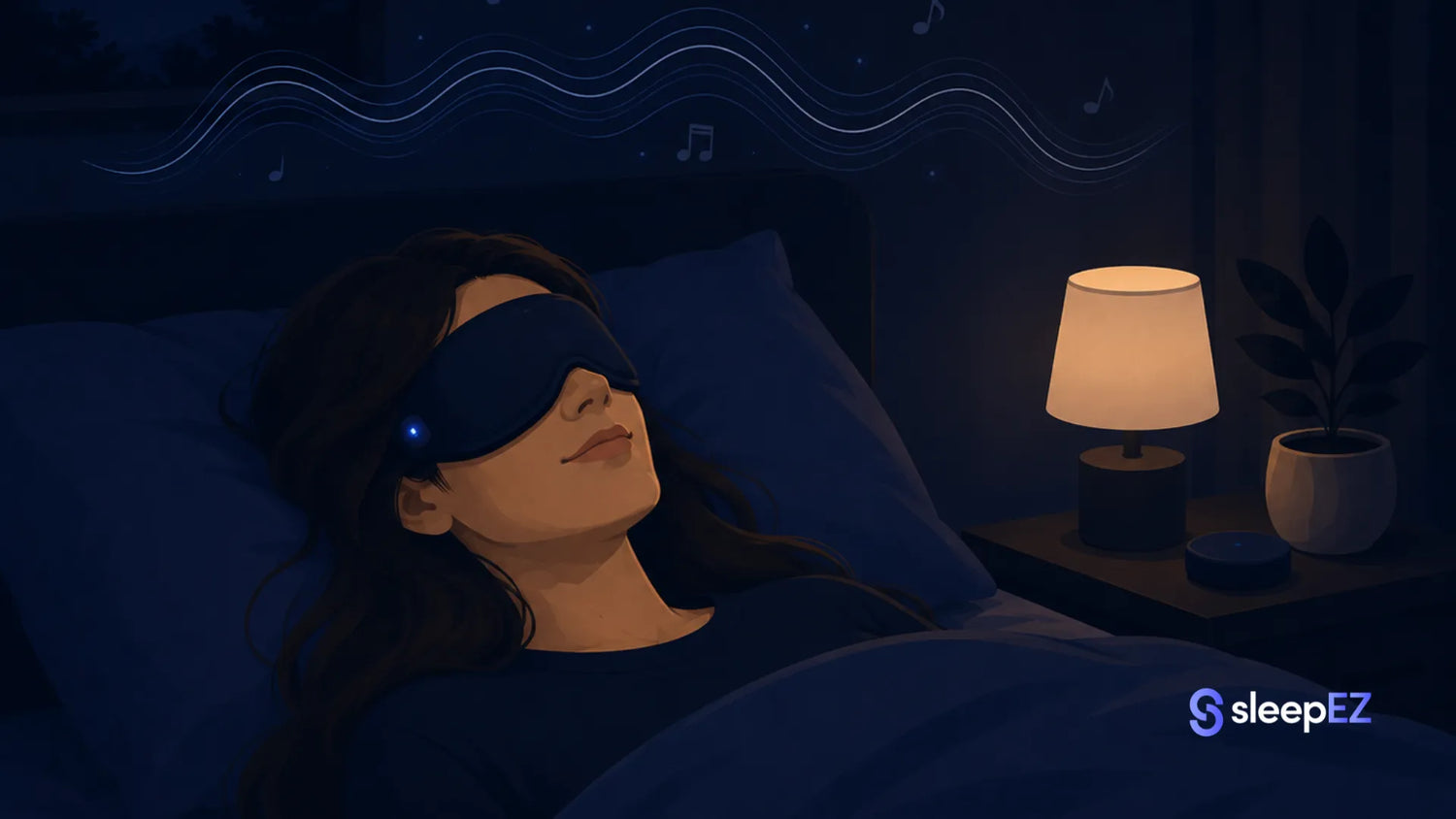
ASMR can help you fall asleep faster and sleep more deeply. This tingling sensation triggered by certain sounds has become a popular natural sleep aid for millions of people worldwide.
Whether you're new to ASMR or curious about using it for better sleep, this guide provides curated ASMR video recommendations proven to help with sleep, plus everything you need to start tonight.
Quick Answer: Does ASMR Help You Sleep?
ASMR may help some people fall asleep more easily by triggering a relaxation response that reduces stress and quiets a busy mind. Not everyone experiences the tingling sensation associated with ASMR, but many people find ASMR audio calming regardless.
What the evidence suggests:
- ASMR may reduce heart rate and increase feelings of calm and relaxation
- It may be particularly helpful for people with anxiety or racing thoughts at bedtime
- Research is still developing, most studies are small but show promising results
- It works best as part of a consistent bedtime routine, not as a one-off solution
What Is ASMR?
ASMR stands for Autonomous Sensory Meridian Response. It's a pleasant tingling feeling that starts at the top of your head and can spread down your neck and spine.
This sensation happens when you hear, see, or feel certain triggers like whispers, gentle tapping, or soft personal attention.
The feeling is completely natural and harmless. About 1 in 5 people experience ASMR, though the intensity varies from person to person.
Some feel strong tingles, while others simply find ASMR content deeply relaxing without physical sensations.
ASMR became popular online in the late 2000s when people started sharing videos designed to trigger these responses. Today, millions of ASMR videos exist on platforms like YouTube, covering everything from whispered storytelling to roleplay scenarios.
Read: Best Ear Plugs for Sleeping
What Does ASMR Feel Like?
ASMR (Autonomous Sensory Meridian Response) produces a distinctive physical and emotional experience, though not everyone feels it the same way.
The classic experience: A pleasant tingling sensation that typically starts on the scalp and travels down the back of the neck and spine. It's often described as a "brain massage" or a warm, fizzing sensation.
The emotional experience: Even without the physical tingling, most people who respond to ASMR report feelings of deep calm, reduced anxiety, and a gentle drowsiness, similar to the feeling just before falling asleep.
Not everyone tingles: Research suggests that approximately 20–30% of people don't experience the physical tingling at all. However, many of these people still find ASMR calming and useful for sleep.
The relaxation response doesn't require the tingles.
Common ASMR triggers that produce this feeling:
- Soft whispering
- Gentle tapping on surfaces
- Slow, deliberate movements
- Quiet, close-up sounds
- Attentive, caring roleplay scenarios
Why Does ASMR Make Me Sleepy?
ASMR naturally promotes sleepiness through several mechanisms that work together to calm your mind and body.
Psychological Effects
ASMR triggers a deep relaxation response that reduces stress and anxiety. The gentle, predictable sounds help quiet racing thoughts and mental chatter that often keep people awake.
This focused attention on soothing stimuli creates a meditative state similar to mindfulness practices.
Biological Changes
Research suggests ASMR may increase the release of feel-good chemicals like dopamine and oxytocin while reducing cortisol (stress hormone) levels. These changes activate your parasympathetic nervous system, the "rest and digest" mode that prepares your body for sleep.
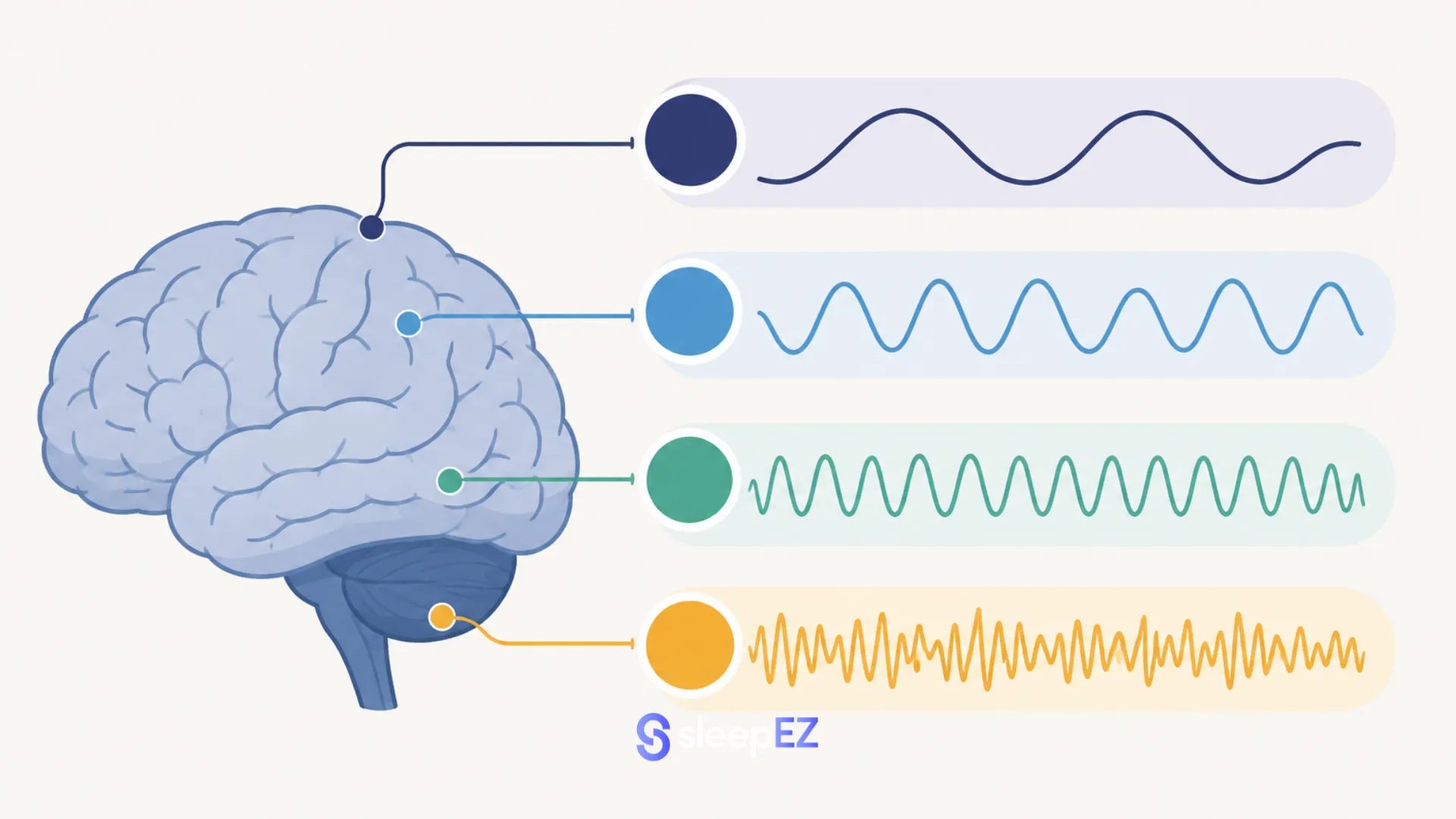
The slow, rhythmic nature of most ASMR content also mimics the natural slowing of brain waves that occurs as you transition from wakefulness to sleep.
Who Benefits Most from ASMR?
ASMR isn't universally effective, but certain people tend to find it particularly helpful.
You may benefit if you:
- Experience racing thoughts or anxiety at bedtime
- Struggle to wind down after a stressful day
- Are a light sleeper who needs help transitioning into sleep
- Already use sleep podcasts or meditation apps for sleep
- Find silence uncomfortable or anxiety-inducing at night
- Respond well to gentle, attentive sounds in general
You may find it less helpful if you:
- Find whispering or certain sounds irritating rather than calming
- Prefer complete silence for sleep
- Don't experience any relaxation response after several attempts
- Have misophonia (sensitivity to specific sounds)
Does ASMR Help You Sleep?
Early research shows promising results for ASMR as a sleep aid, though studies are still limited. A 2018 study found that people who experience ASMR reported better mood and reduced stress after watching ASMR videos.
Many users report that ASMR helps them:
- Fall asleep faster (within 10-30 minutes instead of hours)
- Feel more relaxed at bedtime
- Experience fewer racing thoughts
- Sleep more deeply through the night
- Wake up feeling more rested
However, ASMR doesn't work for everyone. People respond differently to triggers, and some find certain sounds irritating rather than relaxing. The key is experimenting to find what works for your brain.
Best ASMR for Beginners
If you've never tried ASMR before, start here:
Best beginner triggers:
- Rain and nature sounds, the most universally calming and least polarising
- Soft whispering, the most classic ASMR trigger; try a "reading to you" style video
- Page turning, gentle, rhythmic, and non-confronting
Best beginner approach:
- Start with a 20–30 minute video rather than a long session
- Use headphones or a Bluetooth sleep mask for the best effect
- Keep the volume low, barely audible is often more effective than loud
- Don't force a reaction, just notice whether you feel calmer
Best beginner ASMR creators: ASMR Darling, Gentle Whispering ASMR, and Gibi ASMR are consistently recommended for people new to the format.
Best ASMR Videos for Sleep
YouTube ASMR for sleep offers the largest selection of free, high-quality content specifically designed for bedtime relaxation.
These curated recommendations represent the most effective sleep-inducing videos, featuring proven triggers and trusted creators.
For longer sessions, look for ASMR compilation for sleep videos that combine multiple triggers in extended formats to prevent mid-sleep interruptions.
For Beginners: Start Here
"ASMR For Sleep" by Jojo's ASMR Perfect introduction to sleep ASMR with gentle triggers and soothing voice. This video combines multiple trigger types to help you identify what works best for your relaxation.
"ASMR | Whispers and Tapping for Deep Sleep" by Sarah Lavender ASMR Features the two most popular sleep triggers - soft whispers and rhythmic tapping. Sarah's consistent pacing makes this ideal for those new to ASMR who want to experience classic triggers.
Quick Sleep Solutions
"ASMR Fall Asleep in 30 Minutes (personal attention, tingly)" by Safe Space ASMR Designed specifically for fast sleep onset with focused personal attention triggers. The 30-minute format prevents all-night audio that might disrupt sleep cycles.
"ASMR | Four Triggers to Fall Asleep Instantly (whispered)" by Sarah Lavender ASMR Combines four proven sleep triggers in a concentrated format for those who fall asleep quickly to ASMR.
For Sensitive Sleepers: No Talking Options
"ASMR INTENSE HAND SOUNDS NO TALKING"
Pure trigger sounds without voice distractions. Ideal for people who find voices stimulating rather than relaxing.
"ASMR Addictive Triggers for Instant Sleep - ASMR No Talking" by Ana ASMR
Features various trigger combinations without spoken content, perfect for maintaining focus on physical sensations rather than words.
Different Trigger Types to Explore
Wooden Sounds ASMR
Natural tapping and scratching on wood surfaces creates organic, earthy sounds many find deeply grounding for sleep.
100% Relaxation Audio
Focuses purely on relaxation and negative energy removal through gentle soundscapes designed for complete mental rest.
Whispering
Soft, barely audible speech creates intimacy and calm. Many people find whispered stories, affirmations, or simple conversation deeply soothing for bedtime.
Gentle Tapping
Light tapping on different surfaces like wood, glass, or fabric creates rhythmic, predictable sounds. The repetitive nature helps quiet mental activity.
Crinkling Sounds
Paper, plastic, or fabric crinkling produces varied textures that many find deeply satisfying. These sounds often trigger strong physical responses.
Soft Speaking
Normal volume speech with a gentle, caring tone works well for those who find whispers too quiet or strained. Look for content with slow, deliberate pacing.
Personal Attention Roleplays
Scenarios like haircuts, medical exams, or spa treatments create feelings of being cared for. The focused attention and gentle movements are naturally sleep-inducing.
ASMR vs White Noise: Which Is Better for Sleep?
Both are popular sleep audio tools, but they work in fundamentally different ways.
| Feature | ASMR | White Noise |
|---|---|---|
| How it works | Triggers relaxation response | Masks environmental sounds |
| Requires attention | Slightly | No |
| Best for | Racing thoughts, anxiety | Noise sensitivity, light sleepers |
| Needs headphones | Ideally yes | No |
| Engages the mind | Gently | No |
| Works from a speaker | Less effective | ✅ Yes |
| Research support | Emerging | Established |
Which should you choose?
If your main challenge is a noisy environment, traffic, snoring, neighbours, white noise is likely more effective because it directly masks the problem.
If your main challenge is mental restlessness or anxiety before bed, ASMR may be more helpful because it gives your brain something gentle to focus on.
Many people use both, white noise from a sound machine to mask the environment, and ASMR through a sleep mask to support relaxation.
How to Add ASMR to Your Bedtime Routine
Choose Comfortable Listening Devices Regular headphones or earbuds can be uncomfortable for side sleepers and may fall out during the night. A Bluetooth sleep mask like the Dreamy Sounds Sleep Mask solves these problems by combining ultra-slim speakers with complete light blocking.
The mask's 4mm speakers sit comfortably over your ears without pressure, whether you sleep on your back or side. The 15-hour battery lasts multiple nights, and the auto power-off timer (1-2 hours) ensures silence once you're asleep.
You can connect to any app or platform including YouTube, Spotify, Calm, or Headspace.
Set the Right Volume
Keep ASMR audio just loud enough to hear clearly but quiet enough that it fades into the background. Too loud can be stimulating rather than relaxing.
Most people find 10-30% volume works best.
Use Sleep Timers
Set your device to stop playing after 30-60 minutes. This prevents audio from disrupting your sleep cycles later in the night and saves battery life.
Consistent Timing
Start your ASMR routine 15-30 minutes before you want to fall asleep. This gives your body time to relax and associate the sounds with bedtime.
Combine with Good Sleep Hygiene ASMR works best alongside other healthy sleep habits:
- Keep your bedroom cool (65-68°F)
- Block out light completely
- Put devices away 30 minutes before sleep
- Avoid caffeine after 2 PM
- Stick to consistent sleep and wake times
Can ASMR Replace Sleep Medication?
No, ASMR is not a medical treatment and should not replace prescribed medication or professional advice.
However, for people with mild sleep difficulties related to stress, anxiety, or racing thoughts, ASMR may be a useful complementary tool as part of a broader sleep routine.
If you're relying on sleep medication and want to explore natural alternatives, speak with your doctor before making any changes. ASMR, meditation apps, binaural beats, and sleep environment improvements may all play a supporting role, but they work best alongside, not instead of, professional guidance.
Who Might Not Benefit from ASMR
ASMR isn't suitable for everyone. While many people find it deeply relaxing, others may experience the opposite effect.
Individual brain chemistry, sensory sensitivities, and personal sound preferences all play a role in how you respond to ASMR triggers. Some people may find it counterproductive for sleep:
- Misophonia Sufferers People with misophonia experience strong negative reactions to specific sounds like chewing, breathing, or tapping. ASMR triggers may cause anxiety or irritation rather than relaxation.
- Sensory Processing Sensitivities Those with autism, ADHD, or other sensory processing differences might find ASMR overstimulating rather than calming. The intensity of focus required can be mentally exhausting.
- ASMR Immunity Some people simply don't respond to ASMR triggers. If you've tried multiple trigger types over several weeks without positive effects, other relaxation techniques might work better for you.
If ASMR causes any discomfort, agitation, or keeps you awake longer, discontinue use and try other sleep aids like meditation apps, nature sounds, or traditional white noise.
Read: Best Meditation Apps
Can Listening to ASMR All Night Be Bad?
For most people, ASMR playing all night is not harmful. However, there are a few considerations:
Volume matters most. If audio plays all night at a comfortable volume (below 50 dB), it's generally safe. Loud audio overnight can affect sleep quality and, over time, hearing health.
Sleep timers are recommended. Most people fall asleep within 30–60 minutes of starting ASMR. Using a sleep timer means audio stops automatically, reducing overnight exposure and saving battery.
Earbuds all night is not ideal. Standard earbuds can cause ear canal pressure and discomfort during extended overnight use. A Bluetooth sleep mask with flat built-in speakers is more comfortable for all-night listening.
The Best Way to Listen to ASMR in Bed
ASMR works best with headphones, the close, intimate sounds are designed for personal listening. But standard earbuds create problems in bed:
- They press against your ear canal when you lie on your side
- Wired earbuds tangle during sleep
- Your phone screen lights up when you adjust volume
- Earbuds can fall out during the night
A more comfortable solution:
The Dreamy Sounds Bluetooth Sleep Mask delivers audio through ultra-thin 4mm speakers built into the mask, nothing pressing against your ear canal. It blocks all light, connects wirelessly to YouTube, Spotify, or any ASMR app, and the 15+ hour battery handles even the longest ASMR sessions.
It's designed specifically for side sleepers, making it one of the most practical ways to enjoy ASMR in bed without discomfort.
Tips for ASMR listening in bed:
- Set volume to a comfortable low level, barely audible often works better than loud
- Use a sleep timer (60–90 minutes is usually sufficient)
- Start your session 20–30 minutes before you want to fall asleep
- Choose familiar, consistent content each night to build a sleep association
Frequently Asked Questions
Does ASMR help you sleep?
ASMR may help some people sleep by triggering a relaxation response that reduces stress and quiets racing thoughts. Research is still developing, but many people find it a useful part of their bedtime routine.
Why does ASMR make me sleepy?
ASMR triggers a relaxation response that may reduce heart rate, lower stress hormones, and activate the parasympathetic nervous system, the same system that prepares your body for sleep.
What does ASMR feel like?
ASMR typically produces a pleasant tingling sensation starting on the scalp and moving down the neck and spine. Even without the tingling, most people who respond to ASMR report feelings of deep calm and gentle drowsiness.
Is ASMR scientifically proven?
Research is still emerging. Small studies suggest ASMR may reduce heart rate and increase relaxation.
Larger, more rigorous studies are needed. The current evidence is promising but not conclusive.
Can ASMR help anxiety?
ASMR may help reduce pre-sleep anxiety by giving the mind a gentle focal point and triggering a calming physical response. It's not a treatment for anxiety disorders, but may support a calming bedtime routine.
Can ASMR help insomnia?
ASMR may help with mild sleep difficulties related to stress or racing thoughts. It's not a treatment for clinical insomnia, but may be a useful complementary tool alongside good sleep hygiene.
Is it okay to listen to ASMR every night?
Yes. Consistent use as part of a bedtime routine may actually improve its effectiveness over time, as your brain learns to associate the sounds with sleep.
Does everyone experience ASMR?
No. Research suggests approximately 20–30% of people don't experience the physical tingling. However, many still find ASMR calming even without the tingles.
What are the best ASMR triggers for sleep?
Whispering, tapping, rain and nature sounds, and gentle page-turning are among the most commonly recommended triggers for sleep. Rain and nature sounds tend to be the most universally calming for beginners.
Is ASMR better than white noise?
They serve different purposes. White noise masks environmental sounds.
ASMR engages the mind gently to reduce racing thoughts. Many people use both, white noise for the environment, ASMR for mental relaxation.
Conclusion
ASMR offers a natural, safe way to improve your sleep quality without medication or major lifestyle changes. While research is still emerging, millions of people successfully use ASMR to fall asleep faster and sleep more deeply.
The key is finding the right triggers and setup for your preferences. Start with popular options like whispering or gentle tapping, invest in comfortable listening equipment, and give your body time to adjust to this new bedtime routine.
With patience and experimentation, ASMR could become your most effective tool for achieving the restful sleep you need.

Leave a comment
This site is protected by hCaptcha and the hCaptcha Privacy Policy and Terms of Service apply.