
Bluetooth sleep devices are becoming increasingly popular for people who struggle with noise, stress, or difficulty falling asleep. Many people now use Bluetooth sleep masks, sleep headphones, white noise, meditation audio, or calming music as part of their nighttime routine.
These devices can help create a more relaxing sleep environment, especially for light sleepers or people dealing with snoring, traffic, or noisy surroundings.
At the same time, it is understandable why some people feel concerned about sleeping next to Bluetooth devices all night.
Major health organizations and regulatory agencies continue to study wireless devices and electromagnetic exposure. Current evidence from organizations such as the World Health Organization (WHO) and other health authorities supports the safety of low-power Bluetooth devices when used properly.
Why People Sleep With Bluetooth Devices
Bluetooth sleep devices have become popular because they allow people to listen to relaxing audio without disturbing others nearby. Many people use Bluetooth sleep masks or sleep headphones as part of their nighttime routine.
Some people listen to sleep music or meditation audio to help their mind relax before bed. Others use white noise or binaural beats to create a more stable sound environment and reduce nighttime distractions.
Bluetooth audio can also help mask snoring, traffic, or neighbour noise without needing external speakers. This is especially useful for light sleepers or people sharing a room with a snoring partner.
Comfort also plays an important role. Many modern Bluetooth sleep masks are designed for side sleepers with soft materials and slim built-in speakers that sit more comfortably during sleep.
As sleep audio becomes more common, many people naturally wonder whether sleeping with Bluetooth devices every night is actually safe.
Are Bluetooth Sleep Masks Safe?
Bluetooth sleep masks are generally considered safe when used properly and at comfortable volume levels. Most modern sleep masks use low-energy Bluetooth technology with very low power output.
The Bluetooth signal itself is not considered the main concern for overnight use. In most cases, comfort, fit, and listening volume have a much bigger effect on sleep quality.
Well-designed Bluetooth sleep masks use slim speakers that are made to sit flatter against the head. This helps reduce pressure and discomfort, especially for side sleepers.
Choosing a sleep mask designed specifically for overnight use is important. Soft materials, balanced speaker placement, and adjustable fit all help improve comfort during sleep.
Keeping audio volume at a moderate level is also recommended. Lower volume levels are usually more comfortable for sleep and help reduce the risk of hearing fatigue over time.
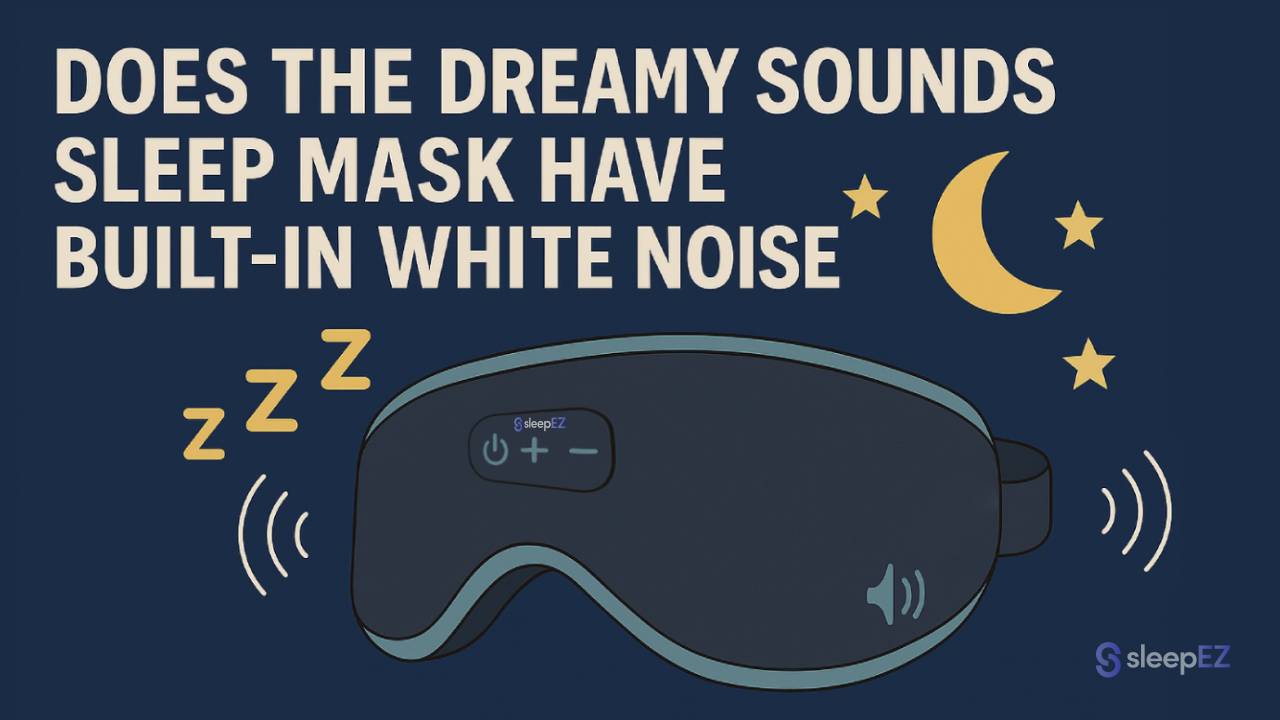
Bluetooth sleep masks like Dreamy Sounds by SleepEZ are designed to combine light blocking, comfort, and sleep audio support in a way that is suitable for overnight use.
Bluetooth sleep devices are becoming increasingly popular for people who struggle with noise, stress, or difficulty falling asleep. Many people now use Bluetooth sleep masks, sleep headphones, white noise, meditation audio, or calming music as part of their nighttime routine.
These devices can help create a more relaxing sleep environment, especially for light sleepers or people dealing with snoring, traffic, or noisy surroundings.
At the same time, it is understandable why some people feel concerned about sleeping next to Bluetooth devices all night.
Major health organizations and regulatory agencies continue to study wireless devices and electromagnetic exposure. Current evidence from organizations such as the World Health Organization (WHO) and other health authorities supports the safety of low-power Bluetooth devices when used properly.
Read: 7 Best Bluetooth Sleep Mask in Australia
Bluetooth Radiation: What is it, and How Does it Compare?
To understand Bluetooth safety, you need to know what type of radiation it uses. You also need to see how its power compares to other everyday sources.
Non-Ionizing vs. Ionizing Radiation
Bluetooth uses non-ionizing radiation. This includes radio waves, Wi-Fi signals, and visible light. Non-ionizing radiation doesn't have enough energy to damage DNA or cells.
Ionizing radiation is completely different. X-rays and gamma rays can cause cell damage. Bluetooth radiation works nothing like these harmful types.
Think of it this way: sunlight is also non-ionizing radiation. The warmth you feel from sunlight is similar to Bluetooth signals, just at different frequencies.
Low Power Levels
Bluetooth devices use very little power. Most operate at just a few milliwatts. Your cell phone uses much more power when making calls.
Power drops quickly as you move away from the source. A Bluetooth device on your nightstand has even less effect than one touching your skin.
Wi-Fi routers in your home use more power than Bluetooth devices. Your microwave oven uses thousands of times more power, though it's contained inside the unit.
What Do Leading Health Organizations Say About Bluetooth Safety?
Major health authorities study electromagnetic fields constantly. Their findings help set safety rules for all wireless devices.
World Health Organization (WHO)
The WHO states that "current evidence does not confirm the existence of any health consequences from exposure to low-level electromagnetic fields." They've studied radio frequency exposure for decades.
The WHO continues monitoring research on wireless devices. Their current position supports the safety of low-power devices like Bluetooth products. Research specifically examining Bluetooth headsets has found no short-term effects on auditory nervous structures.
Other Regulatory Bodies
The FDA regulates electronic devices in the United States. They set strict limits for RF exposure that Bluetooth devices easily meet.
The FCC also sets rules for wireless devices. All Bluetooth products must pass their safety tests before reaching stores. The FCC requires wireless devices to have a SAR (Specific Absorption Rate) of 1.6 watts per kilogram or less. Most Bluetooth devices operate well below this limit.
Similar agencies in other countries have comparable standards. Australia, Canada, and European nations all regulate wireless device safety.
Ongoing Research
Scientists continue studying electromagnetic fields and health. Current research supports the safety of low-power, non-ionizing devices.
Some studies look at long-term effects of wireless device use. The scientific consensus remains that Bluetooth poses no known health risks.
Concerns About Sleeping with Bluetooth Devices
Sleeping with devices close to your body raises specific questions. Here are the most common concerns and what research shows.
Hearing Health
Volume poses the biggest risk with any audio device. Loud sounds can damage hearing over time, whether from Bluetooth or wired headphones.
Health experts recommend keeping volume below 85 decibels. The EPA and WHO both agree that keeping exposure below 70 decibels eliminates any risk of hearing loss from noise. Set volume at 50% to 60% of maximum, which is considered safe for all-day listening.
Most phones now include volume warnings and limits. iPhone users can set headphone safety limits in Settings. If people near you can hear music from your earbuds, the volume is too high.
Physical Comfort & Pressure
Poor-quality headphones can cause discomfort or pain during sleep. Pressure points can disrupt sleep and cause soreness.
Well-designed sleep masks distribute weight evenly. Quality materials prevent pressure on sensitive areas around your eyes and ears.
EMF Exposure & Long-Term Effects
Bluetooth devices emit very low electromagnetic field levels. These levels fall well below safety limits set by health agencies.
Long-term studies haven't found health problems from Bluetooth use. The power levels are simply too low to cause cellular damage.
Some people worry about sleeping near any electronic device. This concern comes from misunderstanding different types of radiation and power levels.
Ear Infections and Hygiene
Any device that touches your skin needs regular cleaning. Bacteria can build up on dirty devices, potentially causing skin irritation.
Clean your sleep mask regularly according to care instructions. This prevents bacteria buildup and extends the device's life.
Remove earbuds or headphones if you notice any irritation. Give your ears time to breathe, especially if you use devices every night.
Safe Sleep Practices
Good habits make Bluetooth sleep devices even safer. These simple tips help you get the best experience.
- Keep volume low Set audio no higher than 50-60% of maximum volume. This protects your hearing and often works better for sleep. Most sleep audio should be barely audible.
- Take listening breaks Give your ears rest periods, especially if you use devices for hours daily. This helps prevent hearing fatigue.
- Choose comfortable devices Well-fitting sleep masks stay in place without pressure. Sleepez masks are designed specifically for side sleepers and stomach sleepers.
- Clean devices regularly Follow care instructions to prevent bacteria buildup. Clean masks and speakers according to the manufacturer's guidelines.
- Turn off Bluetooth when not needed. This saves battery life and reduces any minimal exposure. Many devices have timers that shut off automatically.
- Consider your sensitivity level If you're extremely concerned about EMF exposure, try external sound machines first. Sleepez offers both wearable and standalone options.

Looking for a Comfortable Bluetooth Sleep Mask?
★★★★★ 4.8/5
Dreamy Sounds Sleep Mask
Dreamy Sounds Sleep Mask combines soft light blocking with slim Bluetooth speakers designed for comfortable overnight use.
From $79.95
Explore Dreamy Sounds Sleep MaskConclusion
Sleeping with Bluetooth devices is safe when you use quality products correctly. Major health organizations confirm that low-power wireless devices pose no known health risks.
The biggest safety factors are volume levels and device comfort, not the Bluetooth signal itself. Choose well-designed products that fit properly and keep volume at safe levels.
Sleepez creates Bluetooth sleep products with your safety and comfort in mind. Our sleep masks and sound machines meet all safety standards while providing the restful sleep you need.
Ready for better sleep? Explore our white noise machines, Bluetooth sleep masks, and baby sound machine designed for safe, comfortable nights. Your peaceful sleep starts here.
Frequently Asked Questions
Is Bluetooth radiation harmful during sleep?
Bluetooth devices use very low-energy non-ionizing radiation, which is different from harmful ionizing radiation such as X-rays or gamma rays. Current research and major health organizations have not found known health risks from low-power Bluetooth exposure during normal use.
Are Bluetooth sleep masks safe overnight?
Bluetooth sleep masks are generally considered safe for overnight use when designed specifically for sleep. Comfortable fit, soft materials, slim speakers, and moderate listening volume are usually more important factors than the Bluetooth signal itself.
Can Bluetooth headphones affect sleep quality?
Bluetooth headphones may affect sleep quality if they create pressure, discomfort, or play audio at high volume levels. Sleep-specific headphones and sleep masks are designed to improve comfort during overnight use, especially for side sleepers.
Is Bluetooth safer than Wi-Fi?
Bluetooth devices typically operate at much lower power levels than Wi-Fi routers and many other wireless devices. Both technologies use non-ionizing radiation and must meet international safety standards before being sold.
Can you sleep with wireless headphones every night?
Many people use wireless headphones or Bluetooth sleep masks regularly for sleep audio, meditation, white noise, or snoring masking. Choosing comfortable devices, keeping the volume low, and cleaning them regularly can help support safer long-term use.

Leave a comment
This site is protected by hCaptcha and the hCaptcha Privacy Policy and Terms of Service apply.