
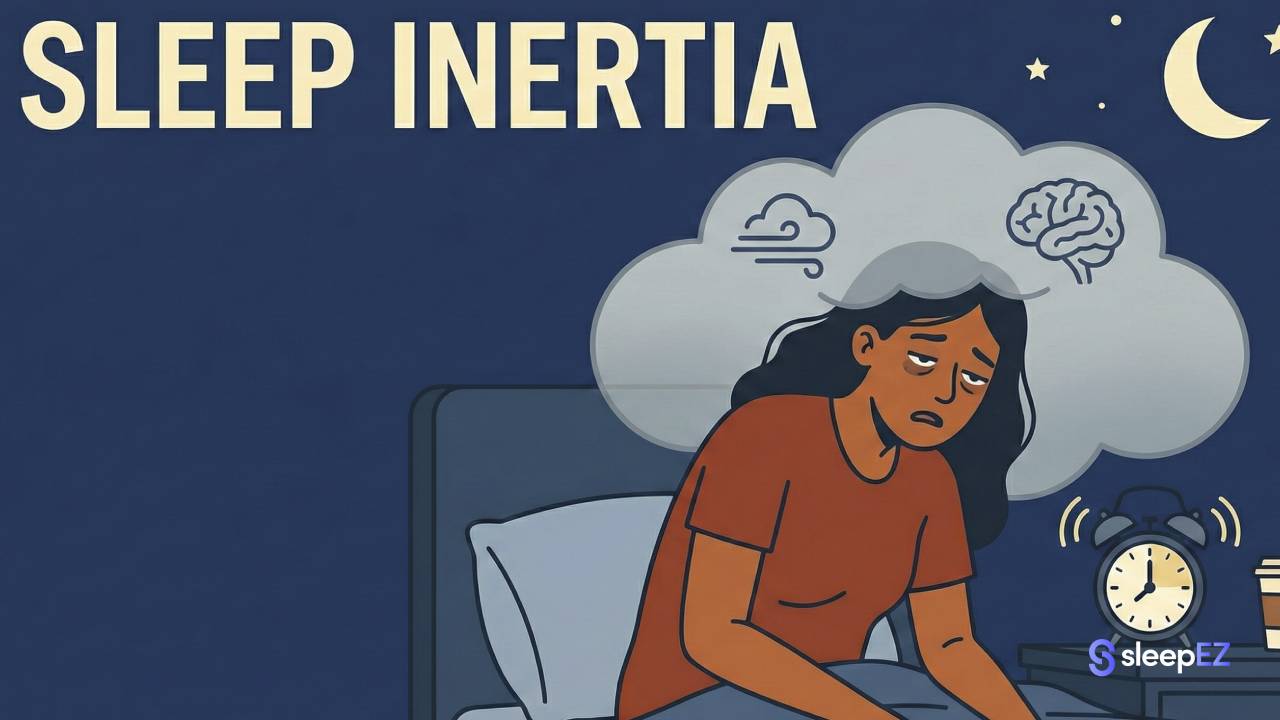
You slept 8 hours, but you feel like you slept 2. Your limbs are heavy, your brain is buffering, and you can't form a sentence. You aren't lazy. You're fighting biology.
This is sleep inertia. Unlike "just being tired," it has specific biological triggers that you can hack. Here's how to wake up sharp instead of stumbling through your first hour like a zombie.
What Causes Morning Grogginess? (The 3 Triggers)
1. The "Deep Sleep" Interruption
Your brain cycles through different sleep stages every 90 to 110 minutes. When you wake up during Stage 3 (deep sleep), your brain is still in "slow wave" mode. According to research from Harvard Medical School, waking from this stage makes it extremely difficult for your brain to switch gears.
Think of it like trying to stop a freight train. Your alarm goes off, but your neurons are still crawling at deep sleep speed. The CDC identifies this as genuine sleep inertia, which can last 30 to 60 minutes. In some cases, it stretches up to 2 hours.
2. The Oxygen Deficit
If you snore or breathe through your mouth at night, you're waking up with "oxygen debt." Mouth breathing during sleep can reduce oxygen efficiency. Your brain needs oxygen to fire properly. When you start the day in a deficit, the fog is thicker.
Using Breathe Mouth Tape forces nasal breathing throughout the night. Nasal breathing filters air better and may increase oxygen uptake. This means clearing the morning fog before you even open your eyes.
3. The ADHD Connection
People with ADHD often struggle harder with state transitions. Switching from sleep mode to awake mode requires executive function. If your brain already has trouble with transitions during the day, mornings become brutal. The grogginess hits harder and lasts longer for neurodivergent brains.
How to Combat Sleep Inertia: The 5-Step Protocol
Step 1: The "Soft Launch" Wake Up (Audio)
Standard alarms trigger panic. A blaring sound shocks a groggy brain into fight-or-flight mode. This floods you with cortisol but doesn't clear the fog. You feel wired and tired at the same time.
Research in the National Library of Medicine shows that playing music after waking reduces sleepiness and improves cognitive performance. The study found benefits lasting up to 20 minutes.
Use the Dreamy Sound Sleep Mask instead of a phone alarm. Set a gentle, rising audio track like birdsong or soft piano via Bluetooth. This coaxes your brain out of deep sleep gradually. The result is less inertia and a calmer nervous system.
Step 2: Stop "Sleep Fragmentation"
You might not remember waking up, but noise disrupted you. Traffic, a snoring partner, or a neighbor's dog can jolt you between sleep cycles. These micro-wakeups reset your progress. You end up trapped in deep sleep when morning arrives.
Continuous sleep cycles mean you're more likely to wake during light sleep (Stage 1 or 2). There's virtually no inertia in these stages. Use QuietBuds to block snoring partners. Try the Hush+ Sound Machine to mask street noise. Protecting your sleep continuity is one of the most powerful changes you can make.
Step 3: The "Hydro-Light" Shock
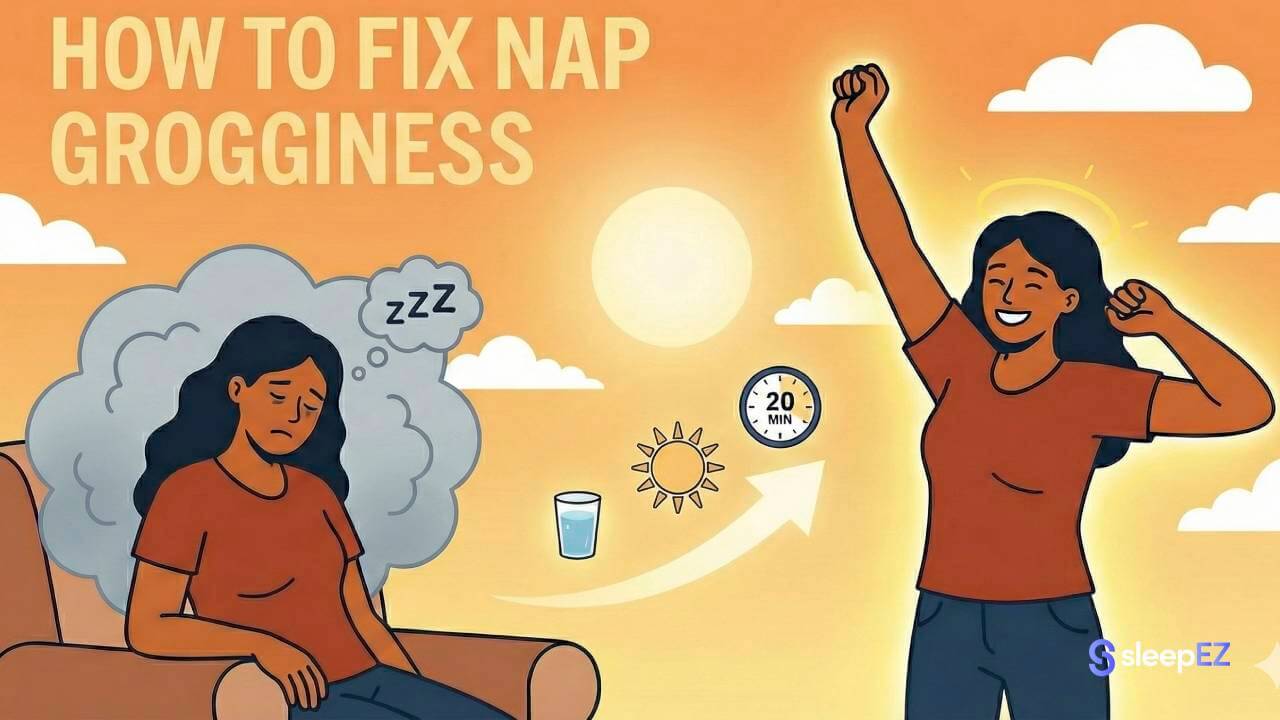
Drink 16 ounces of water within 5 minutes of waking. Your body spent 8 hours without hydration. Drinking water kickstarts your metabolism and helps flush out adenosine, the chemical that makes you feel sleepy.
Get bright light immediately after. Open your curtains or step outside if possible. Light signals your brain that it's time to be awake. Some research suggests that light exposure can help reduce grogginess, though results vary by individual. At minimum, it stops melatonin production.
Combine water and light. This one-two punch tackles both dehydration and your circadian rhythm.
Step 4: The 90-Minute Rule
Don't aim for a round number like 8 hours. Your sleep happens in cycles. Each cycle lasts roughly 90 to 110 minutes, according to the National Institutes of Health. Most people complete 4 to 5 cycles per night.
Do the math backward from your wake time. If you need to get up at 7:00 AM, try going to bed at 11:30 PM (7.5 hours) instead of 11:00 PM (8 hours). That extra 30 minutes might land you in deep sleep right when your alarm goes off.
Waking up at the end of a cycle, during light sleep, makes a massive difference. You'll feel more alert even with slightly less total sleep time.
Step 5: The "Nappuccino" (Backup Plan)
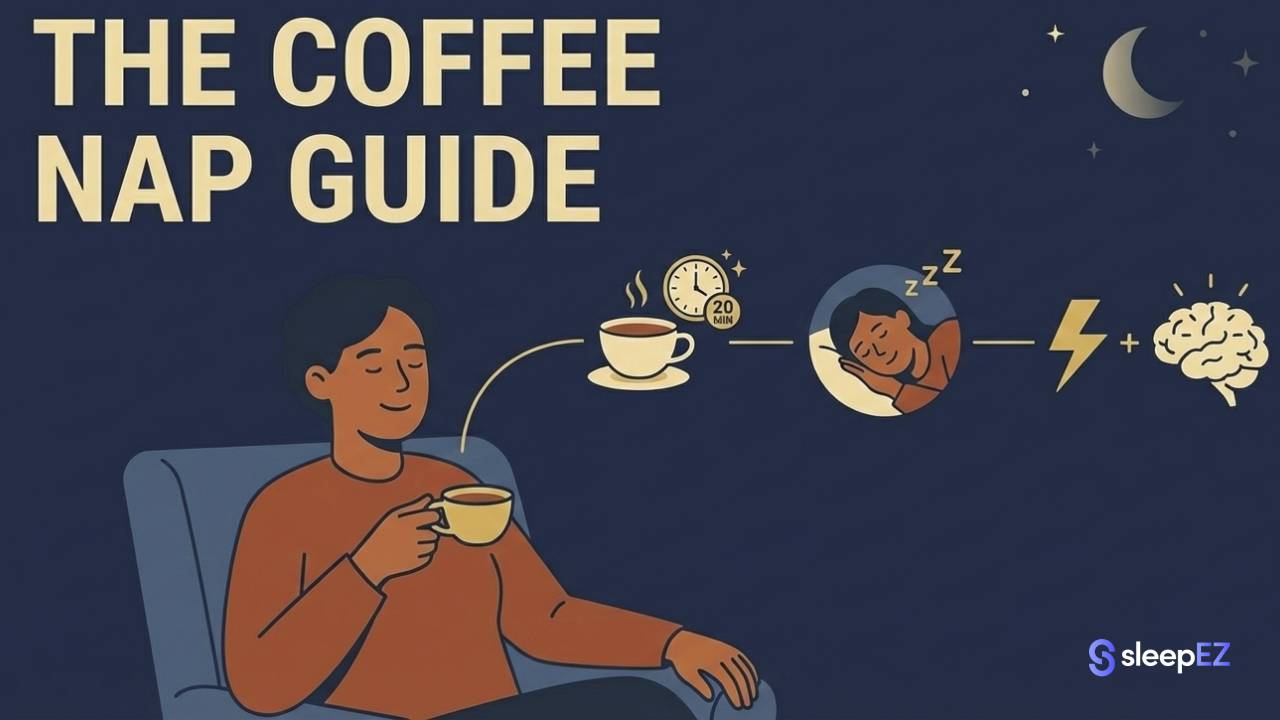
If you still feel groggy in the afternoon, try a coffee nap. The CDC research notes that taking 100mg of caffeine right before a 15 to 20 minute nap reduces sleep inertia afterward. The caffeine kicks in just as you wake up. You get the rest benefits plus the stimulant boost at the perfect time.
This works because caffeine takes about 20 minutes to enter your bloodstream. You nap before it hits. When you wake, you're doubly refreshed.
When Is It "Sleep Drunkenness"? (Knowing the Difference)
Normal sleep inertia lasts 15 to 30 minutes. You feel foggy, but you can function. Sleep drunkenness (confusional arousal) is different. Symptoms include aggression, amnesia, or severe confusion lasting up to 4 hours.
If you've ever woken up and had no idea where you were, answered the phone incoherently, or felt combative when someone tried to wake you, that's confusional arousal. It's a real sleep disorder. If this happens regularly, talk to a doctor. You might have an underlying issue like sleep apnea or a circadian rhythm disorder.
Most people just have standard sleep inertia. It's annoying but manageable with the right strategies.
Conclusion
You don't have to be a "morning person" to wake up alert. You just need to protect your sleep cycles and support your body's biology. The tools exist. The science backs them up.
Banish the zombie mode. Equip your nightstand with Breathe Mouth Tape and Dreamy Sound, and wake up ready to think clearly. Your mornings don't have to be a battle anymore.

Leave a comment
This site is protected by hCaptcha and the hCaptcha Privacy Policy and Terms of Service apply.